
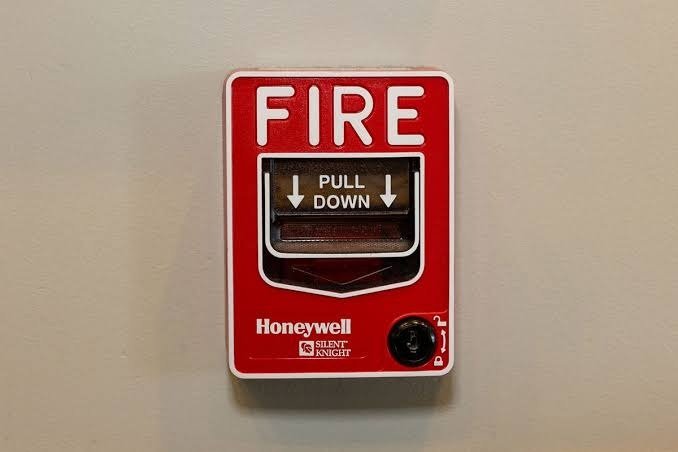
Fire safety is an important responsibility for homeowners, landlords, business owners and property managers across London. A fire can develop quickly, especially in buildings where people live, work or sleep. Without suitable fire detection, occupants may not receive enough warning to respond safely. Professional Fire Alarm Installation London services help property owners improve fire detection, protect escape routes and meet relevant fire safety requirements. Safety Spectrum London provides fire alarm installation services for residential properties, Houses in Multiple Occupation (HMOs), offices, shops and other commercial buildings. Their services cover system installation, testing, commissioning and relevant certification.
Why Is Professional Fire Alarm Installation Important?
A fire alarm system is designed to detect signs of fire and warn occupants before conditions become dangerous. Depending on the system, smoke detectors, heat detectors and manual call points may activate audible or visual warnings. Professional installation is important because every building has different fire risks. A small residential flat will not necessarily require the same detection arrangements as a large office, hotel or multi-storey HMO.
A suitable fire alarm system can help:
- Detect smoke or heat at an early stage.
- Alert occupants to potential danger.
- Support the building’s evacuation arrangements.
- Protect residents, employees and visitors.
- Address relevant fire safety responsibilities.
- Reduce the risk of delayed fire detection.
However, simply installing smoke alarms is not enough. The type, number and position of detection devices must be appropriate for the building.
Types of Fire Alarm Systems Available in London
Different fire alarm systems are suitable for different properties. The correct choice depends on the building’s size, layout, occupancy and fire risk assessment.
Conventional Fire Alarm Systems
Conventional systems divide a building into detection zones.
When a detector or manual call point activates, the control panel identifies the affected zone rather than the exact device.
These systems can be suitable for smaller commercial premises and buildings where zone-based identification is sufficient.
Addressable Fire Alarm Systems
Addressable fire alarm systems identify individual devices connected to the system.
This makes it easier to locate the source of an alarm or fault, particularly in larger buildings.
They are commonly considered for offices, hotels, healthcare premises, educational buildings and complex commercial properties.
Wireless Fire Alarm Systems
Wireless systems use radio communication between compatible fire detection devices.
They may be suitable for occupied buildings, heritage properties and locations where installing new cables would cause significant disruption.
Wireless systems still require appropriate design, commissioning, power arrangements and maintenance.
Interlinked Smoke and Heat Alarms
Interlinked alarms are commonly used in residential properties.
When one connected alarm activates, other linked alarms sound to warn occupants in different areas.
Depending on the property, a suitable system may include smoke alarms in hallways and landings, together with heat alarms in kitchens.
Fire Alarm Installation for Residential Properties
Homes and rental properties need appropriate fire detection to warn occupants of a developing fire.
The required arrangement depends on the property type, layout and applicable regulations.
Domestic fire detection systems are generally designed with reference to BS 5839-6.
Residential properties that may require installation or upgrades include:
- Houses and bungalows
- Flats and apartments
- Maisonettes
- Rental properties
- Converted residential buildings
- Houses undergoing refurbishment
Landlords should also consider their legal duties to provide and maintain suitable smoke and carbon monoxide alarms in qualifying rental accommodation.
Fire Alarm Installation for HMOs
Houses in Multiple Occupation often present different fire safety challenges from single-family homes.
Residents may occupy separate bedrooms, use shared kitchens and follow different daily routines. This can increase the importance of suitable detection and warning arrangements.
An HMO fire alarm system may include:
- Interlinked smoke alarms
- Heat detectors in shared kitchens
- Detection along escape routes
- Communal alarm arrangements
- Manual call points where appropriate
- Sounders and control equipment
The required grade and detection category depend on the property and relevant fire safety guidance.
Landlords should not assume that every HMO needs the same fire alarm specification.
Commercial Fire Alarm Installation London
Commercial buildings often require more extensive fire detection and warning arrangements than ordinary homes.
Offices, warehouses, retail shops and hospitality premises may have large floor areas, multiple occupants or complex escape routes.
The Regulatory Reform (Fire Safety) Order 2005 places duties on the responsible person to assess fire risks and provide appropriate fire precautions.
Commercial fire detection and alarm systems are designed with reference to BS 5839-1, with the appropriate system category determined by the building’s needs.
Common commercial properties include:
- Offices and business centres
- Shops and retail premises
- Restaurants and cafés
- Hotels and guest accommodation
- Schools and colleges
- Hospitals and healthcare facilities
- Warehouses and industrial buildings
- Care homes and supported living facilities
A suitable fire alarm design considers the people using the building, potential fire hazards and evacuation arrangements.
Understanding Fire Alarm Categories and British Standards
UK fire alarm systems are designed around recognised British Standards.
BS 5839-1 applies to fire detection and alarm systems in non-domestic premises, while BS 5839-6 covers relevant domestic fire detection and alarm arrangements.
For non-domestic life protection systems, common categories include:
| Fire Alarm Category | General Purpose |
| L1 | Automatic detection throughout the building, subject to the standard’s provisions |
| L2 | Detection along escape routes and in specified higher-risk areas |
| L3 | Detection along escape routes and in relevant rooms opening onto them |
| L4 | Detection along specified escape routes |
| L5 | Detection designed to address a particular fire safety objective |
Domestic systems use different categories, including LD1, LD2 and LD3.
The correct category should be selected through competent system design, considering the building’s risk assessment and applicable requirements.
Wired vs Wireless Fire Alarm Installation
Both wired and wireless systems can provide effective fire detection when correctly designed, installed and maintained.
| Wired Fire Alarm Systems | Wireless Fire Alarm Systems |
| Use physical cabling between system components | Use compatible radio-linked devices |
| Often suitable for new builds and refurbishments | May reduce disruption in occupied buildings |
| Can require cable installation work | May require less cable routing |
| Need appropriate wiring and power arrangements | Need suitable battery and wireless communication arrangements |
| Require testing and maintenance | Require testing and maintenance |
Hybrid systems can also combine wired and wireless components where suitable.
The choice should be based on the building, system requirements and long-term maintenance needs.
What Happens During Professional Fire Alarm Installation?
Installing a fire alarm system involves more than fitting detectors to ceilings.
A professional installation normally follows several stages.
Initial Property Assessment
The installer reviews the building’s size, layout, occupancy and fire safety requirements.
Relevant findings from an existing fire risk assessment should also be considered.
Fire Alarm System Design
A suitable system is selected, and the required detection devices, sounders, control equipment and other components are specified.
Professional Installation
The equipment is installed at appropriate locations according to the agreed design and relevant standards.
Testing and Commissioning
Once installed, the system is tested to check its operation.
This may include checking detector activation, sounders, control panels and other relevant functions.
Certification and Documentation
Appropriate installation and commissioning documentation is prepared.
The property owner or responsible person should retain these records for future maintenance and fire safety management.
Why Regular Fire Alarm Maintenance Matters
Fire alarm installation is only the first stage of maintaining an effective fire detection system.
Over time, detectors can become contaminated, batteries may deteriorate and equipment can develop faults.
Routine testing and servicing help identify problems before they affect the system’s performance.
Maintenance arrangements may include:
- Detector testing
- Control panel checks
- Battery and power supply checks
- Sounder testing
- Inspection of relevant devices
- Fault identification
- Maintenance documentation
The appropriate testing and servicing schedule depends on the system type, applicable standard and building requirements.
Common Mistakes to Avoid When Installing Fire Alarms
Property owners sometimes focus on the cost of the equipment without considering whether the complete system is suitable.
Common mistakes include installing the wrong detector type, leaving gaps in detection coverage or failing to link alarms where interconnection is needed.
Other problems can include poorly positioned devices, unsuitable sounder coverage and a lack of commissioning records.
A professional assessment and installation process helps reduce these risks.
It is also important to remember that a fire alarm system does not replace other fire safety measures. Fire doors, protected escape routes, compartmentation and appropriate evacuation procedures may also be necessary.
Choosing a Fire Alarm Installation Company in London
When choosing an installer, property owners should look for relevant technical competence, experience and clear documentation.
Useful questions include:
- Does the installer work with the required system type?
- Will the installation follow the applicable British Standard?
- Is a site assessment or system design included?
- Will the system be tested and commissioned?
- What installation documentation will be provided?
- Can future maintenance be arranged?
- Are the installation costs clearly explained?
A well-planned system should suit the actual building rather than follow a single design for every property.
Professional Fire Alarm Installation London Services by Safety Spectrum London
Safety Spectrum London supports homeowners, landlords, managing agents and businesses that require fire alarm installation and related fire safety services.
The company provides solutions for residential, HMO and commercial properties, with the system specification based on the building’s layout, occupancy and fire safety needs.
Its services include fire detection installation, system commissioning, relevant certification and ongoing fire alarm support.
Property owners looking for professional Fire Alarm Installation London services can contact Safety Spectrum London to discuss the type of building, existing fire protection arrangements and installation requirements.
The company serves properties across Central, North, South, East and West London, including surrounding areas.
Final Thoughts
A properly designed and installed fire alarm system is an important part of protecting people and managing fire risks.
Whether the property is a family home, rental flat, HMO, office or commercial building, the detection system should be suitable for the premises and maintained throughout its working life.
Professional installation helps ensure that the required equipment is correctly positioned, tested and documented.
For property owners seeking Fire Alarm Installation London, Safety Spectrum London offers fire detection and alarm installation services across the capital.
Visit Safety Spectrum London to learn more about its installation services or request a quotation for your property.